Donald Trump to visit China with 16 CEOs including Elon Musk and Tim Cook
President Donald Trump is heading to China this week with a power roster of 16 American CEOs, a delegation that reads like the Forbes billionaires list got its own diplomatic passport. Elon Musk and Tim Cook headline the group, and the goal is straightforward: dial down the trade war thermostat before both sides get burned.
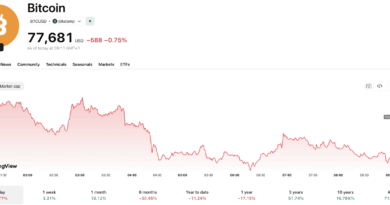
Bitcoin climbed 2% on May 11 following the announcement, a sign that crypto traders are betting this summit could produce something more than a photo op. Tesla shares also jumped 3% as broader markets warmed to the idea of eased US-China tensions.
What’s actually on the table
The trip is built around technology and economic stability, the two areas where the US and China spend most of their time competing and very little time cooperating. Think artificial intelligence, semiconductors, and global supply chains: the stuff that actually powers the modern economy.
During Trump’s first term, the administration slapped over $300 billion in tariffs on Chinese goods. Those levies rippled through global markets, and crypto was not immune to the shockwaves.
The inclusion of BlackRock’s Larry Fink in the delegation is worth noting. Fink has become one of the most vocal institutional voices on digital assets, and his presence hints that blockchain technology and digital asset regulation could surface in the conversations.
A White House statement on tech exports in recent weeks reportedly suggested crypto-inclusive frameworks as part of broader trade discussions.
The crypto angle no one’s ignoring
Trump’s recent campaigns featured a notably more supportive stance on digital assets, a sharp turn from the regulatory ambiguity that marked much of his first term. Bringing that energy to a summit with China, a country that banned crypto trading domestically but continues to dominate Bitcoin mining hardware, creates an interesting dynamic.
Market analysts from CryptoBriefing have suggested the summit could catalyze a rally in cryptocurrencies linked to major US tech companies. Musk’s involvement in the delegation has already sparked speculative interest in meme tokens such as Dogecoin.
Predictions from The Block suggest the visit could unlock up to $50 billion in annual tech investments flowing from the US to China. If even a fraction of that capital touches blockchain infrastructure, supply chain tokenization, or cross-border digital payment rails, the downstream effects on crypto adoption could be meaningful.
If this summit produces anything resembling a bilateral framework for digital asset oversight, it would give firms like BlackRock the green light to deploy capital in ways that are currently too legally murky to justify.
Why investors should pay attention
For crypto specifically, the key variable is whether any agreements include language around digital assets and blockchain technology. A trade deal that only covers traditional goods and services would still be positive for risk assets broadly, but the outsized crypto impact depends on explicit inclusion of digital asset frameworks.
The less optimistic scenario is that negotiations stall on the usual landmines. Taiwan, intellectual property rights, and technology transfer restrictions have derailed US-China talks before.
What makes this summit genuinely different from previous US-China engagements is the composition of the delegation itself. This isn’t just diplomats and trade representatives. It’s the people who actually build products, deploy capital, and shape technology standards.