What Is Chainlink? A 2025 Guide to Blockchain Innovation
Are you looking to understand what Chainlink is and how it works? Gaining a clear understanding of Chainlink crypto can help you better navigate and leverage blockchain technology. In this article, we’ll explore what Chainlink is, how it works, the problems it solves, and its key features like decentralized finance (DeFi) and NFTs. You’ll also learn how to buy LINK tokens and discover the future potential of this innovative technology. Ready to learn more about Chainlink coin? Keep reading.
What Is Chainlink?
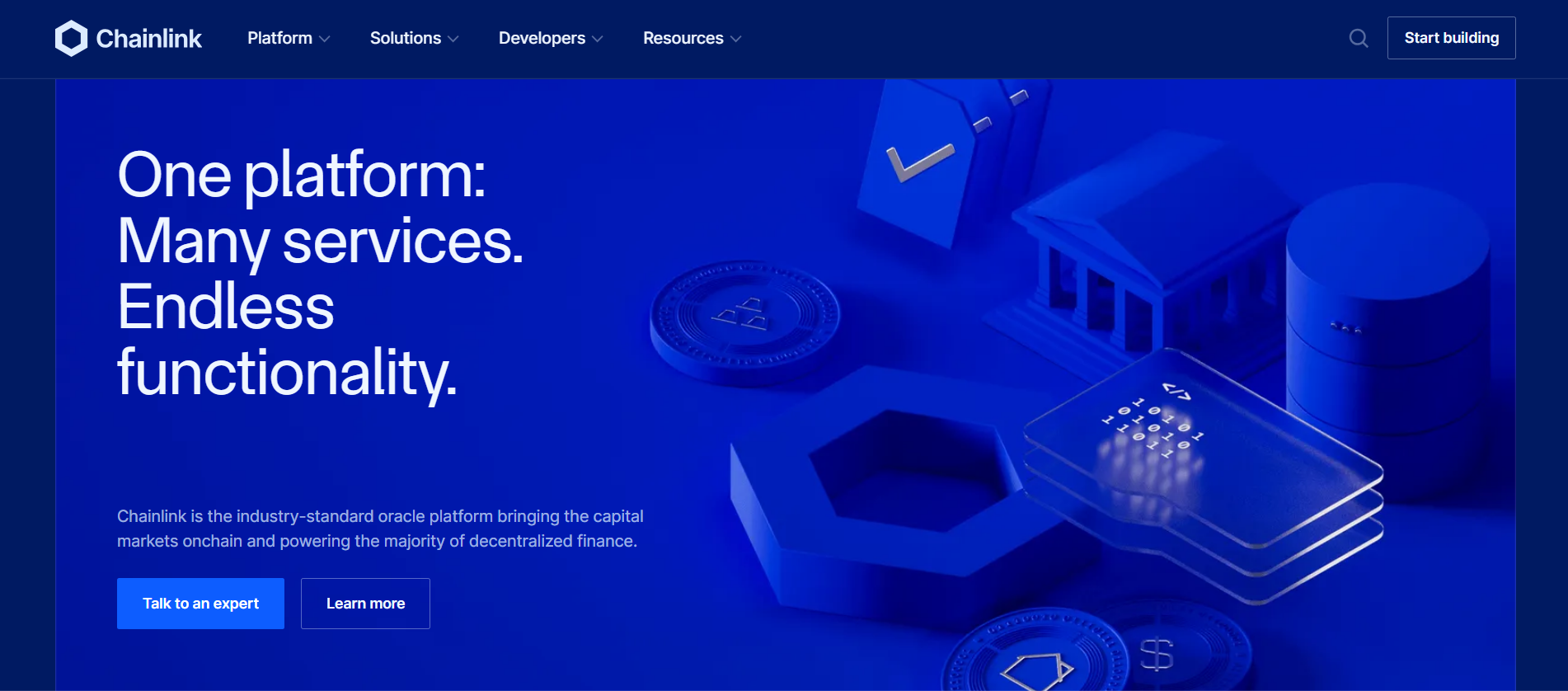
Chainlink is a decentralized oracle network that connects blockchain applications with reliable, external data. It allows you to integrate off-chain information into blockchain systems, enabling the creation of hybrid smart contracts. These contracts combine blockchain technology with real-world data, making them more versatile and practical within the cryptocurrency ecosystem.
Operating on the Ethereum platform, Chainlink uses LINK tokens as its currency. These tokens are used to pay network operators who handle data retrieval and processing. Chainlink wallets are essential for storing and managing these tokens securely.
With its open-source design and growing adoption, Chainlink addresses the challenge of securely linking blockchains to external systems. Its applications span various areas, including stablecoins, decentralized finance (DeFi), and NFTs, offering innovative solutions for modern blockchain needs.
How Does Chainlink Work?
When you use Chainlink, it connects blockchain networks with external data, enabling smart contracts to perform tasks that rely on real-world information. Here’s how the Chainlink network operates step by step:
1. Initiating a Data Request
A smart contract generates a request when it needs specific information. This request is sent to the Chainlink network, where it is processed and prepared for further action. The request could involve anything from verifying weather conditions to accessing financial data.
2. Assigning the Task to an Oracle
The Chainlink network assigns the task to an oracle, a specialized Chainlink nodes responsible for handling the request. Oracles are selected based on their reliability and ability to provide accurate data. This ensures the information retrieved meets the required standards.
3. Retrieving External Data
The oracle gathers the requested information from trusted sources. These sources might include APIs, databases, or other verified systems. The data is then formatted to ensure compatibility with blockchain networks, making it ready for use by the smart contract.
4. Delivering Data to the Smart Contract
After the data is collected and verified, the chainlink oracle network transmits it to the smart contract. This step ensures the contract has the precise information it needs to execute its terms effectively. The process is designed to maintain accuracy and security throughout.
5. Rewarding Node Operators
Node operators play a crucial role in maintaining the Chainlink network. They are rewarded with LINK tokens for their efforts in retrieving, verifying, and delivering data. This system incentivizes operators to provide high-quality services, ensuring the network remains efficient and secure. Chainlink’s ability to connect blockchain networks with external data has revolutionized the functionality of smart contracts. It allows contracts to interact with real-world events, making them more versatile and applicable across various industries.
The Problem Chainlink Solves
- Lack of External Data Access: Blockchains are isolated systems that cannot directly access external data. Chainlink solves this by securely connecting blockchain networks with off-chain information.
- Data Integrity and Security: Traditional oracles often rely on centralized systems, which can be vulnerable to tampering or single points of failure. Chainlink decentralizes the process, ensuring data is accurate and tamper-resistant.
- Smart Contract Limitations: Smart contracts need real-world data to execute complex tasks, but they cannot fetch this data independently. Chainlink enables smart contracts to interact with external systems, expanding their functionality.
- Cross-Blockchain Communication: Many blockchain networks operate in silos, making it difficult to share data or execute tasks across platforms. Chainlink facilitates interoperability, allowing seamless communication between different blockchains.
- Automation Challenges: Businesses often require automated processes triggered by real-world events. Chainlink provides the infrastructure for event-driven automation, making operations more efficient and reliable.
Key Features of Chainlink
Chainlink stands out as a decentralized oracle network that bridges the gap between blockchain networks and external data. Its innovative features make it a vital tool for enhancing the functionality of smart contracts. Some of the features:
1. Decentralized Data Feeds
Chainlink provides decentralized data feeds that ensure the information delivered to smart contracts is accurate and tamper-proof. Unlike centralized systems, which are prone to single points of failure, Chainlink aggregates data from multiple sources. This approach enhances reliability and ensures that chainlink smart contracts operate based on trustworthy information.
2. Verifiable Randomness
For applications requiring randomness, such as gaming or lottery systems, Chainlink offers a verifiable source of randomness. This cryptographically secure randomness ensures fairness and transparency, which are critical for building trust in decentralized applications.
3. Cross-Blockchain Interoperability
Chainlink enables seamless communication between different blockchain networks. This interoperability allows data, tokens, and messages to flow across platforms, fostering collaboration and expanding the use cases of blockchain technology. For instance, a smart contract on Ethereum can interact with data from another blockchain through Chainlink.
4. Event-Driven Automation
Automation is a cornerstone of smart contracts, and Chainlink enhances this capability by enabling event-driven processes. Businesses can set up smart contracts to execute tasks automatically when specific conditions are met, such as triggering payments or updating records based on real-world events.
5. Open-Source and Community-Driven
As an open-source project, Chainlink allows developers to access its code and contribute to its ecosystem. This transparency fosters innovation and ensures that the network evolves to meet the needs of its users. The community-driven approach also helps maintain the integrity and security of the network.
6. LINK Token Utility
The LINK token is integral to the Chainlink network. It serves as the currency for paying node operators who retrieve and process data. Additionally, node operators stake LINK tokens as collateral, which incentivizes them to provide high-quality services and maintain the network’s reliability.
Chainlink’s features collectively address the limitations of traditional blockchains, making it a powerful tool for creating advanced decentralized applications. Its ability to securely connect smart contracts with real-world data has opened up new possibilities across industries, from finance to supply chain management.
Chainlink Use Cases
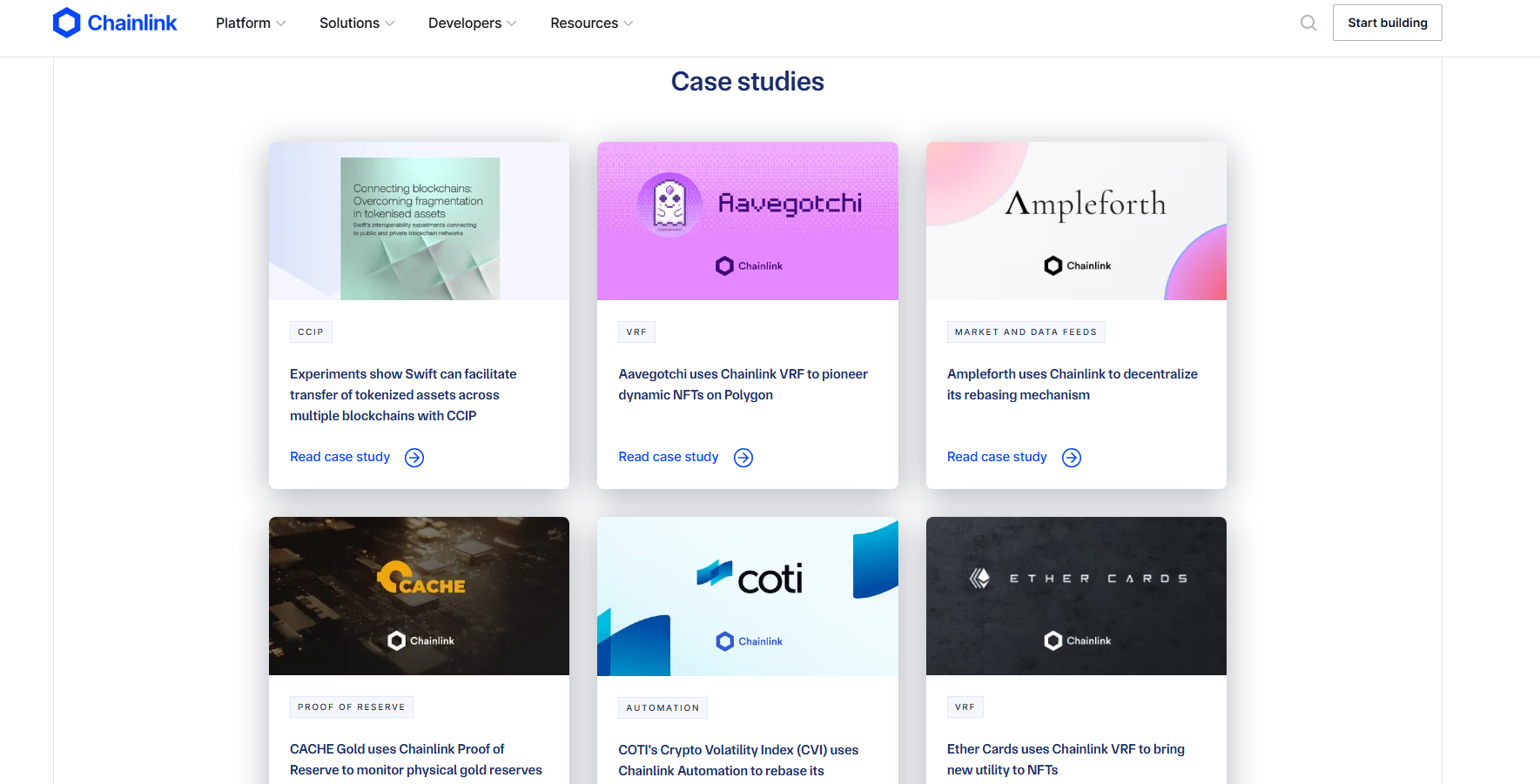
Chainlink’s ability to provide secure and reliable oracle support has made it a cornerstone for various blockchain applications. Here are its use cases across different industries:
1. Stablecoins
Stablecoins rely on accurate and real-time data to maintain their value. Chainlink’s decentralized oracle support ensures that price feeds for stablecoins are reliable and tamper-proof. This is crucial for maintaining the stability of these tokenized assets, which are often pegged to fiat currencies like the US dollar. By providing consistent and secure data, Chainlink helps stablecoins function effectively in the crypto ecosystem.
2. Decentralized Finance (DeFi)
DeFi platforms depend on precise data to execute smart contracts for lending, borrowing, and trading. Chainlink enables these platforms to access real-time market prices, interest rates, and other critical data. For example, a DeFi lending platform can use Chainlink to determine collateral values, ensuring fair and transparent transactions. Its Oracle support enhances the security and efficiency of DeFi applications.
3. Supply Chain
In supply chain management, transparency and traceability are essential. Chainlink connects blockchain networks with off-chain data, allowing businesses to track goods and verify their origins. For instance, a company can use Chainlink to monitor temperature data for perishable goods during transit. This ensures compliance with quality standards and builds trust among stakeholders.
4. NFTs and Gaming
Chainlink plays a significant role in the world of NFTs and play-to-earn crypto games (GameFi). It provides verifiable randomness for minting NFTs, ensuring fairness in the distribution process. In gaming, Chainlink enables dynamic in-game features, such as generating random loot or creating unpredictable game scenarios. This enhances the gaming experience and ensures transparency in GameFi ecosystems.
5. Yield Farming
Yield farming involves earning rewards by providing liquidity to DeFi platforms. Chainlink supports this process by delivering accurate data on token prices, interest rates, and reward calculations. This ensures that yield farmers receive fair compensation for their contributions. By providing reliable oracle support, Chainlink enhances the efficiency and trustworthiness of yield farming strategies.
How to Buy LINK Token
If you’re looking to get started with LINK tokens, the native currency of the Chainlink blockchain, here’s a straightforward step-by-step guide to help you navigate the process. LINK tokens are essential for interacting with the Chainlink network, whether you’re exploring smart contracts or participating in the NFT ecosystem.
Step 1: Choose a Reliable Crypto Exchange
Start by selecting a trusted cryptocurrency exchange that supports LINK tokens. Popular platforms like Coinbase, Binance, and Kraken offer LINK trading pairs. Ensure the exchange you choose is secure and user-friendly.
Step 2: Create and Verify Your Account
Once you’ve chosen an exchange, create an account and complete the verification process. This typically involves providing identification documents to comply with security standards.
Step 3: Deposit Funds
To purchase LINK tokens, you’ll need to deposit funds into your exchange account. Most platforms accept deposits in fiat currencies like USD or other cryptocurrencies such as Bitcoin or Ethereum.
Step 4: Place Your Order
Navigate to the trading section of the exchange and search for LINK. You can place a market order to buy LINK at the current price or set a limit order to purchase it at a specific price. Once your order is executed, the LINK tokens will appear in your exchange wallet.
Step 5: Transfer LINK to a Secure Wallet
For added security, transfer your LINK tokens to a private wallet. Hardware wallets or software wallets that support the Chainlink blockchain are excellent options. This step ensures your tokens are safe from potential exchange vulnerabilities.
Step 6: Use LINK Tokens in the Chainlink Network
With LINK tokens in your wallet, you can explore their utility within the Chainlink network. Whether you’re staking tokens, paying for oracle services, or engaging with smart contracts, LINK plays a vital role in powering the ecosystem.
Purchasing LINK tokens is a simple process that opens the door to participating in the Chainlink blockchain and its growing applications, from decentralized finance to the NFT ecosystem.
The Futures of Chainlink
The future of Chainlink looks promising as it continues to expand its role in connecting blockchain networks with real-world data. You’ll see its impact grow in areas like decentralized finance, the NFT ecosystem, and smart contracts. Chainlink’s focus on innovation, such as enhancing oracle support and enabling cross-chain communication, ensures it stays ahead in the blockchain space. As more industries adopt blockchain technology, your opportunities to leverage Chainlink’s capabilities will only increase. Whether you’re exploring new use cases or investing in LINK tokens, Chainlink’s future offers exciting possibilities for you to explore.
Conclusion
Chainlink is transforming how blockchain networks interact, making smart contracts more versatile and reliable. Its applications in decentralized finance, the NFT ecosystem, and beyond highlight its potential. Whether you’re investing in LINK tokens or leveraging its network for innovative solutions, Chainlink offers vast opportunities. Take action to integrate Chainlink into your blockchain projects and unlock its potential for creating secure, data-driven applications.
FAQs
Chainlink connects blockchain networks with external systems, enabling smart contracts to access off-chain data securely. It provides decentralized oracle support, making blockchain applications more functional and reliable.
Whether Chainlink is a good investment depends on your goals and risk tolerance. Chainlink’s growing adoption in decentralized finance, the NFT ecosystem, and smart contracts highlights its potential, but always research before investing.
Chainlink reaching $100 depends on market conditions, adoption rates, and overall blockchain growth. While predictions vary, its expanding use cases and demand for LINK tokens could influence its future value.
Yes, you can earn passive income with Chainlink by staking LINK tokens. Staking allows you to support the network’s security and functionality while earning rewards in return.