Bitcoin Mining and AI Infra Stocks Rocket as Shorts Get Burned
Key Takeaways
- Keel Infrastructure led gainers with a 29.13% jump to $4.10 on July 30, 2026.
- Citadel absorbed a hedge fund’s liquidated stock positions across major miners like IREN and Riot.
- Hut 8’s $9.8 billion Texas lease signals miners are betting big on AI data center contracts.
Compute Infra Providers See Shares Soar
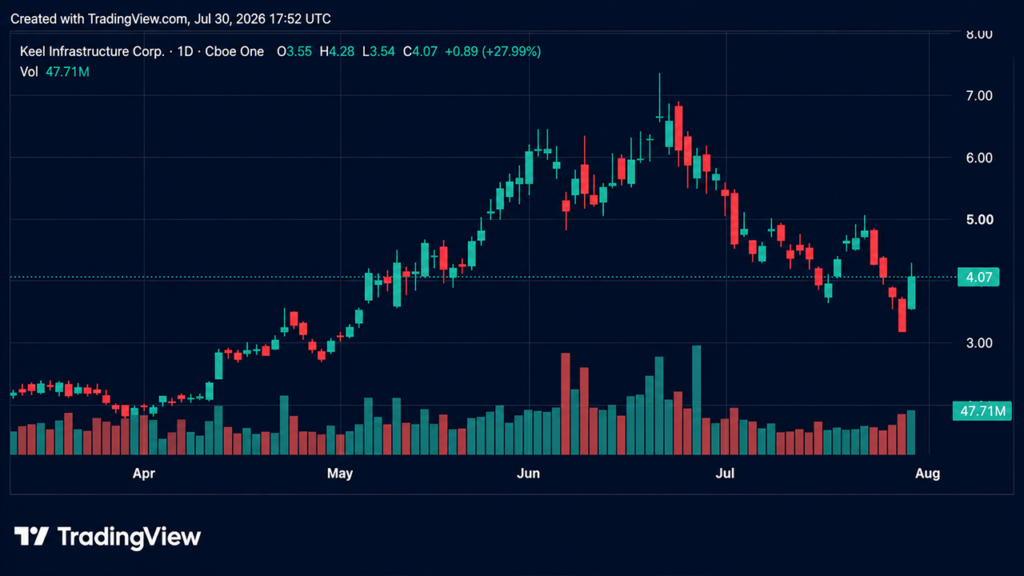
Keel Infrastructure Corp., formerly known as Bitfarms, led the group with a 29.13% gain, trading at $4.10 per share, up $0.92 on the day by 2 p.m EDT on Thursday. Nebius Group N.V. followed close behind, adding 28.52% to reach $190.50. Cipher Digital Inc. climbed 28.30%, and IREN Limited rose 27.36% to $37.33.
The gains extended well beyond the top names. Whitefiber added 27.35%. SharonAI Holdings gained 26.86%. Bloom Energy rose 26.04%, and Sandisk Corporation added $244.33 per share, a 24.05% jump that pushed the stock above $1,260.
Miners Post Broad Gains
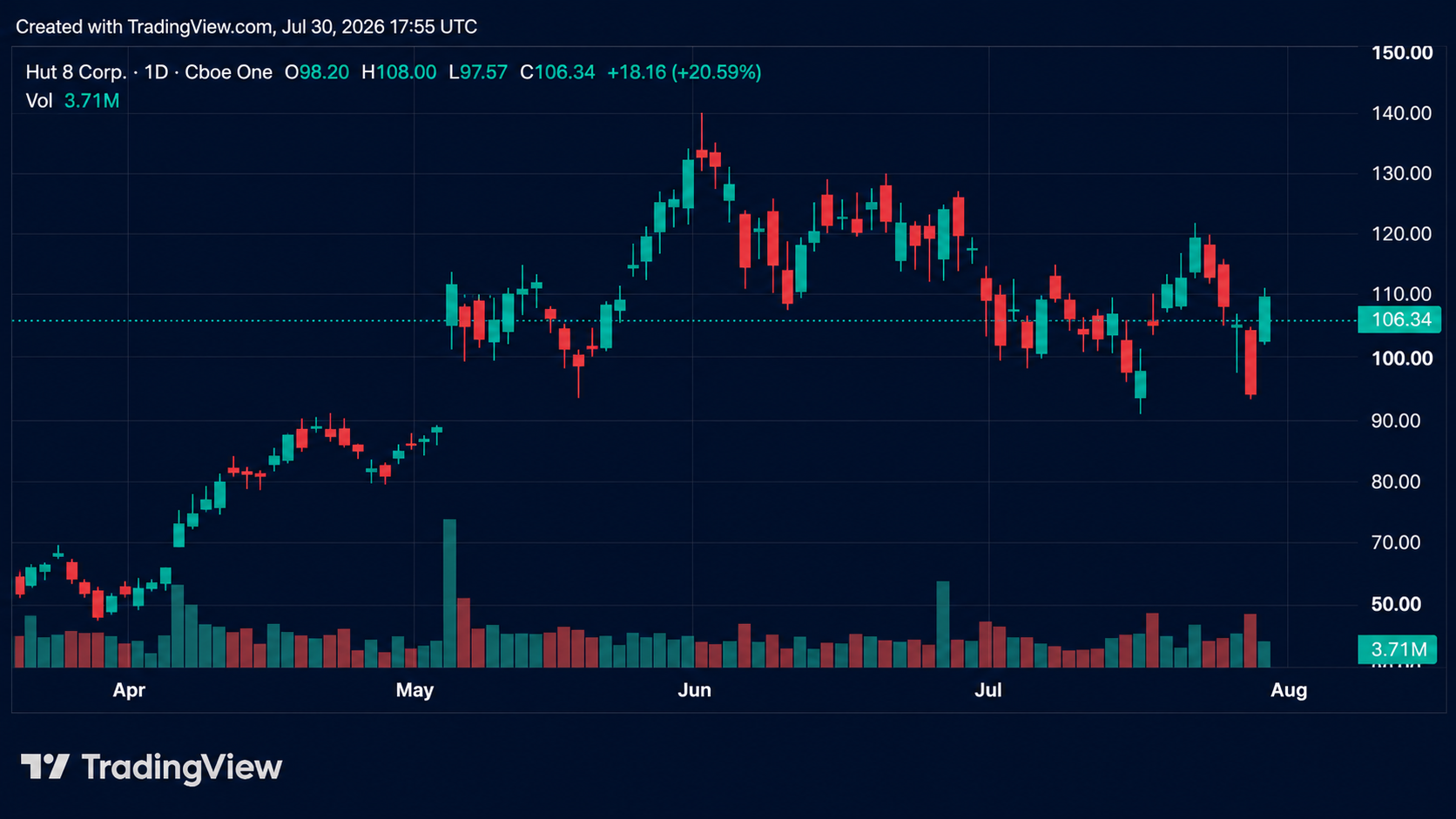
Riot Platforms gained 23.46% to $22.52. Bitdeer Technologies rose 21.91%. Coreweave climbed 21.83% to $74.10. Core Scientific added 20.97%, and Hut 8 gained 20.69%, trading at $106.43.
Cleanspark rose 20.23%. Terawulf added 19.44%. Applied Digital gained 19.07%. Solaris Energy Infrastructure climbed 18.94%, and MARA Holdings and Cerebras Systems each gained 18.60%.
EMCOR Group advanced 18.27%, narrowing the difference with Babcock & Wilcox, which finished up 18.02%. Micron Technology climbed 17.40%, HIVE Digital Technologies added 17.35%, and Galaxy Digital rounds out the gainers with a 17.27% rise. While many of these companies mine bitcoin (BTC), each also maintains ties to the AI, semiconductor or high-performance computing (HPC) sector in one capacity or another.
What Drove the Rally
Part of the move traced back to a forced liquidation of public stock holdings by a hedge fund founded by a former OpenAI researcher, which had held large positions across several of the day’s biggest gainers. Citadel absorbed the bulk of that portfolio in a large transaction that market participants said removed a source of potential further selling pressure.
Bitcoin itself traded over $64,000 and near $65,000 during Thursday’s trading session, providing a modest lift to mining stocks that retain price sensitivity to the underlying asset even as their revenue increasingly comes from AI computing contracts.
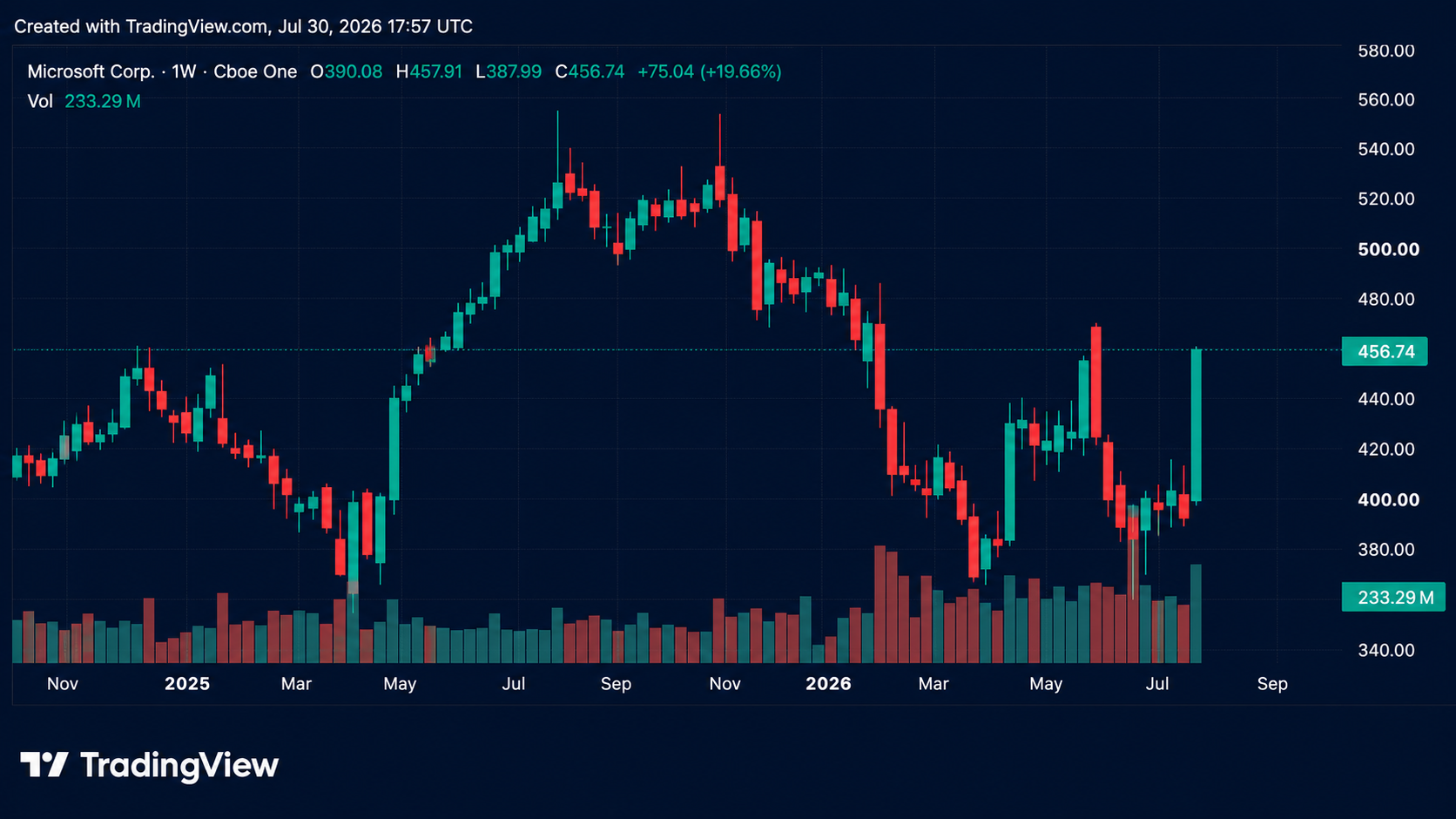
Microsoft’s latest earnings report also played a role. The company’s shares jumped significantly after results showed its AI spending was starting to generate returns, a signal that lifted sentiment across the Nasdaq and pulled AI infrastructure names higher with it.
Coreweave had an additional catalyst of its own. The company announced a collaboration with Leidos to provide AI cloud services for the U.S. Intelligence Community and the Department of War. The deal would place Coreweave’s computing platform inside classified facilities, with Leidos handling security accreditation and mission integration. No contract value was disclosed, and the partnership remains subject to definitive agreements.
The Bigger Shift
Thursday’s gains sit on top of a longer trend. As bitcoin mining profits shrank after repeated halvings and rising network difficulty, publicly traded miners began converting their power-heavy sites into AI data centers. These companies already control land, electrical substations, and power contracts that new data center developers would need years to build from scratch.
Recent deals point to that shift gaining traction. Hut 8 signed a second 15-year lease worth $9.8 billion at its Beacon Point campus in Texas. IREN disclosed $2.8 billion in new AI cloud contracts and raised its 2026 revenue target above $4 billion. Terawulf signed a long-term lease with Anthropic earlier this year.
Keel Infrastructure, the former Bitfarms, has shifted its focus toward digital and energy infrastructure for AI workloads, including a recently approved data center project in Quebec. Nebius has raised its power capacity guidance multiple times and secured investment from Nvidia.
Sandisk and Micron supply the memory layer that AI clusters depend on, an area where demand has outpaced supply. Bloom Energy makes fuel cells increasingly used for data center power. Cerebras builds AI accelerator chips. EMCOR and Babcock & Wilcox benefit from the physical construction tied to the buildout.
What Comes Next
The same leverage that drove sharp gains for AI infrastructure investors earlier this year also produced steep losses in July, before Thursday’s rebound. Questions about capital costs, power availability, and long-term AI demand remain unresolved for many of these companies.
For now, the market is treating bitcoin miners with grid-connected power assets as a distinct group within the broader AI trade. Whether Thursday’s gains hold will depend on how many of these companies turn contracted power into steady revenue over the coming quarters.