
CLARITY Act News: Long Awaited 309-Page Text Drops Tonight: What Next?
In CLARITY Act news today, the US Senate Banking Committee released the full 309-page text of the CLARITY Act just after midnight on May 11, 2026, ahead of a Thursday committee hearing, and for the first time, stablecoin holders can see exactly what rules Washington wants to impose on the coins they use daily. The bill is far from law, but the draft text is the clearest signal yet of where US crypto regulation is heading, and several provisions will directly affect how stablecoins like USDC work in practice.
Think of the CLARITY Act as a building code for a neighborhood that has been constructing skyscrapers without one. Stablecoins have grown into a multi-hundred-billion-dollar market with almost no federal rules governing who can issue them, what they have to hold in reserve, or what happens to your funds if the issuer collapses.
This bill, advanced by the Senate Banking Committee, assigns oversight responsibilities to federal and state regulators, codifies reserve requirements, and draws a hard line on which stablecoin products are legal.
The detail most headlines are missing is that the bill still needs to clear significant political hurdles – including a 60-vote threshold in the full Senate and an unresolved ethics fight over President Trump’s crypto holdings – before any of these rules take effect.
BREAKING : Clarity Act draft bill unveiled by U.S. Senate Banking Committee before hearing.
The newly released 309 page stablecoin bill text bans issuers from paying interest or yield simply for holding stablecoins.
The bill prohibits any returns that are “economically… pic.twitter.com/R93jO3tI1J
— Bull Theory (@BullTheoryio) May 12, 2026
CLARITY Act News: The 5 Stablecoin Rules From the Committee Meeting That Every Investor Needs to Understand
Rule 1: 1:1 Liquid Reserve Mandate
Stablecoin issuers must back each token with an equivalent amount of high-quality liquid assets, such as US Treasuries and cash held in segregated accounts. This ensures that if you hold $1,000 in a stablecoin, the issuer has $1,000 set aside, limiting counterparty risk.
Rule 2: Algorithmic Stablecoins Are Effectively Banned – For Now
New algorithmic stablecoins like Terra are prohibited for two years while a GAO study evaluates their risks. This means any new algorithmic models in the US face legal challenges until at least 2028.
Rule 3: A Dual Oversight Structure – State and Federal
The CLARITY Act allows state-chartered trust companies to issue stablecoins under federal standards, while larger non-bank issuers are subject to Federal Reserve regulation. This creates a balance between oversight and compliance costs.
Rule 4: Stablecoin Yield Is Restricted – But Not Eliminated
The bill restricts yield payments on stablecoins to avoid competition with bank interest products, but structured rewards for holding stablecoins remain possible. The American Bankers Association seeks to further tighten these limits.
Rule 5: Redemption Rights Are Codified
Stablecoin holders are guaranteed the right to redeem tokens for US dollars at par value, typically within one business day. This legal guarantee strengthens accountability beyond the issuer’s discretion.
EXCLUSIVE: 99Bitcoin’s Readers – Earn $10 USDC When You Sign Up for Binance
What This Means for the Stablecoin Market
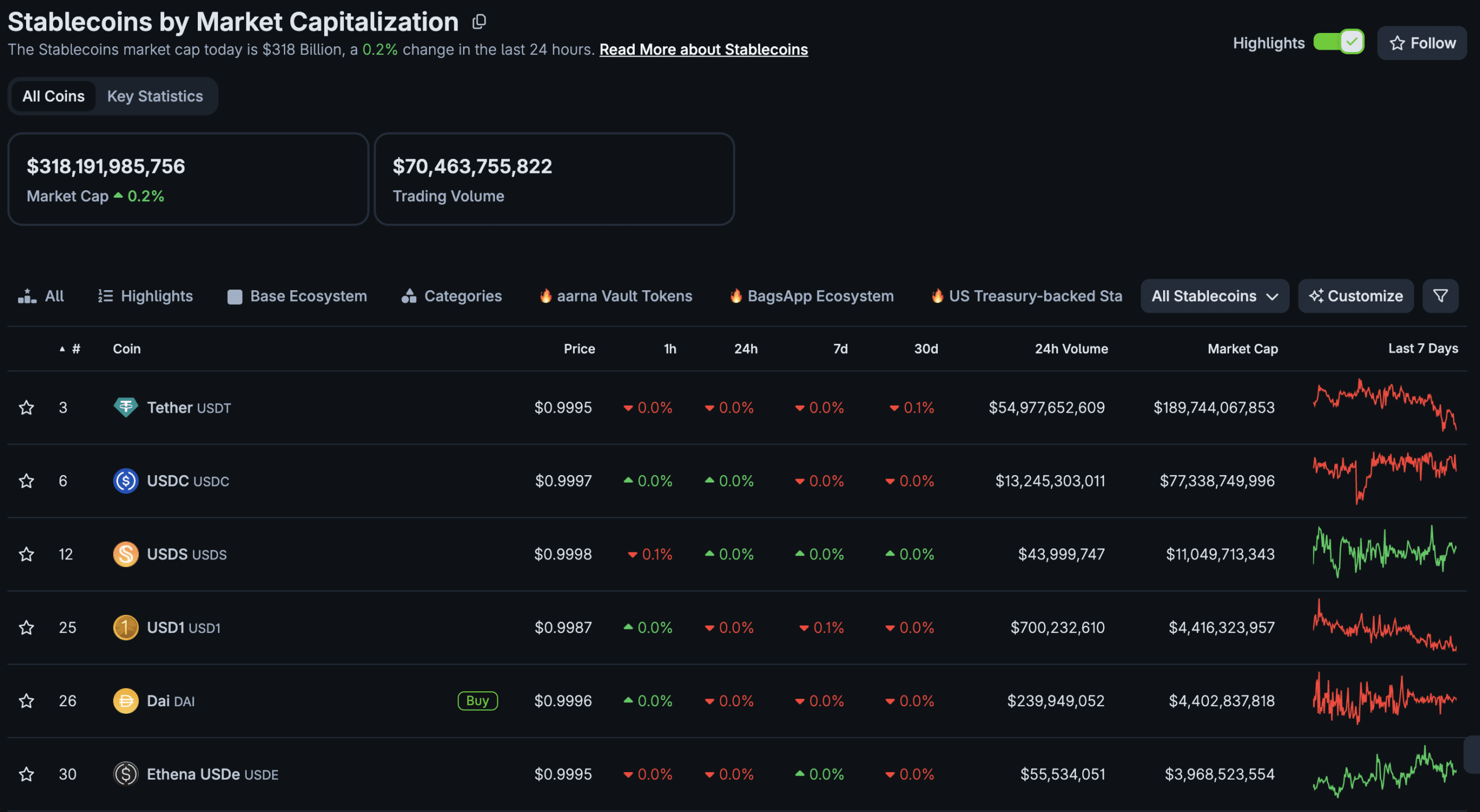
In other CLARITY Act news, the main beneficiary of regulatory clarity is Circle, the issuer of USDC, which aligns closely with the CLARITY Act’s compliance model. Galaxy Research recently reported that trillions of dollars in foreign capital are expected to enter the US financial system through stablecoins, with much of the growth coming from offshore markets, suggesting that US regulations will influence global adoption.
Tether, with its USDT leading in global stablecoin volume, faces increasing pressure due to its less transparent reserve model, raising important questions about its regulatory compliance.
Three scenarios to monitor as the bill progresses:
Bull case: The committee votes on Thursday, merges with the Senate Agriculture Committee’s version by July, and clears the 60-vote threshold by early August, allowing institutional capital to flow into compliant stablecoins.
Base case: The bill passes the committee but stalls over ethics provisions, pushing final passage to late 2026 or early 2027 while markets remain in regulatory limbo but with clearer signals.
Bear case: An ethics dispute, particularly regarding alleged conflicts of interest, leads to the bill’s failure to secure bipartisan support, reverting regulation to slower agency-level rulemaking.
Overall, the crypto industry’s response to the CLARITY Act news is positive, signaling a willingness for bipartisan legislation. Upcoming Senate Banking Committee hearings will be crucial for tracking amendments, especially those related to stablecoin yield and ethics provisions.
DISCOVER: Top Crypto Presales to Watch Now
Follow 99Bitcoins on X (Twitter) For the Latest Market Updates and Subscribe on YouTube For Daily Expert Market Analysis.
The post CLARITY Act News: Long Awaited 309-Page Text Drops Tonight: What Next? appeared first on 99Bitcoins.