
US-Israeli conflict with Iran disrupts oil markets, Turkey hikes inflation forecast
## Market Snapshot
The Fed rate cuts prediction market is currently priced at 69.5% YES for no cuts in 2026, reflecting a recent increase from 59% a day ago. WTI crude oil price predictions for May 2026 show a 56.5% YES likelihood of reaching $110, up from 36% a week ago.
## Key Takeaways
– Markets suggest increased inflation risks are consistent with a lower likelihood of Fed rate cuts in 2026. – The geopolitical situation appears to drive expectations for higher WTI crude oil prices, particularly in the near term. – The situation in the Strait of Hormuz is likely contributing to the heightened volatility in energy markets.
## Article Body
The ongoing US-Israeli military campaign against Iran, which began in late February 2026, has significantly disrupted global energy markets. Approximately 20% of global crude oil supply has been affected, with additional impacts on Qatari liquefied natural gas production. The effective closure of the Strait of Hormuz due to shipping attacks has pushed Brent crude prices above $79 per barrel, an 8.5% increase, with natural gas futures surging by 42%. In response to these developments, Turkey’s central bank has raised its 2026 year-end inflation forecast to 15-21%, up from the previous 13-19% estimate. The conflict has also resulted in US consumers facing $37.3 billion in additional energy expenses since the war began.
## Market Interpretation
The market appears to interpret these geopolitical tensions as diminishing the likelihood of Fed rate cuts in 2026, with a high impact on pricing. The increased inflation forecast from Turkey’s central bank suggests that the Federal Reserve may need to maintain higher rates to combat inflation, consistent with the current market pricing. The oil market reflects a key indicator that disruptions in the Strait of Hormuz could lead to higher WTI crude oil prices, also categorized as high impact.
## What to Watch
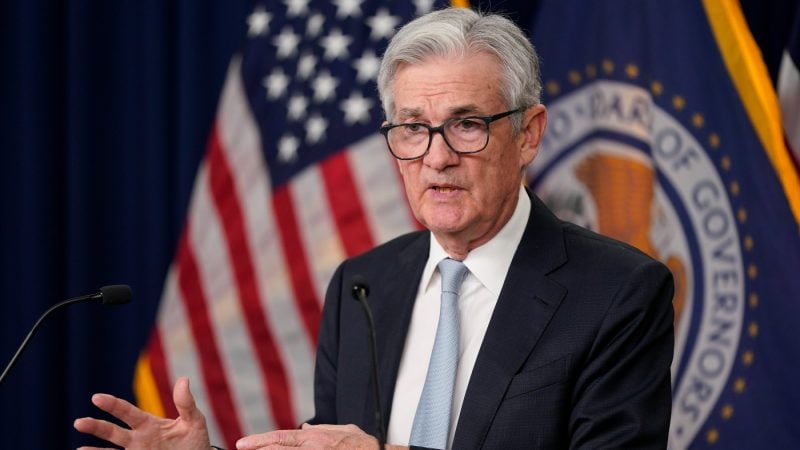
Observers should monitor further developments in the US-Israeli conflict with Iran, particularly any changes to shipping conditions in the Strait of Hormuz. Key speeches or policy announcements from the Federal Reserve, including those by Chair Jerome Powell, will be crucial in assessing the likelihood of future rate cuts. Additionally, any updates from energy agencies such as the EIA or IEA regarding supply disruptions will likely impact the WTI crude oil price markets.
Get prediction market intelligence as a structured API feed. Early access waitlist.